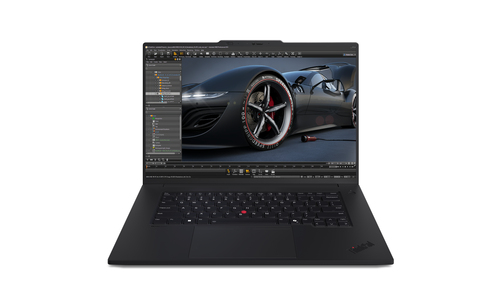
Should You Invest in an AI-Powered PC for Your Business?
AI-powered PCs are quickly gaining traction in the tech world, offering businesses a cutting-edge way to enhance their operations. By integrating artificial intelligence into computers, these devices not only amplify computational power but also redefine how tasks are executed. This trend reveals a transformative potential for businesses, large and small, aiming to stay ahead of the curve. But what makes AI integration so crucial? Let's dive in to find out.
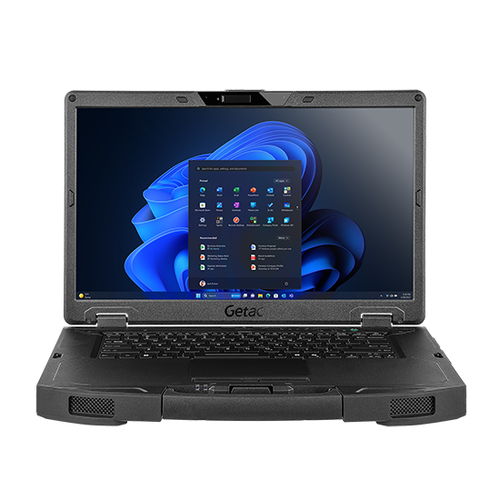
Understanding AI-Powered PCs
In the realm of technology, AI-powered PCs stand out for their innovative approach to computing. Unlike traditional PCs that process information linearly, AI-PCs utilize machine learning algorithms to optimize tasks dynamically. This means they can learn and adapt to your usage patterns, making them akin to a digital personal assistant. One of the most notable features is their intelligent power management—a game-changer for businesses looking to optimize energy use without sacrificing performance.
Another critical aspect is the integration of advanced software and hardware that can autonomously handle mundane tasks, such as system updates and error detection. This not only reduces the workload on IT departments but also enhances system reliability. In essence, AI-powered PCs convert standard workflows into smarter, seamlessly efficient processes. That said, while these advancements are exciting, it's crucial for businesses to evaluate their specific needs. Often, the integration of AI components might sound excessive for simple operations, but for more complex tasks, like data analysis, the intelligent automation these PCs provide is invaluable. As AI technology continues to evolve, we can expect even more features that could make these computers indispensable to any enterprise.Benefits and Value Propositions
AI-powered PCs offer a myriad of benefits that are hard to overlook. For starters, there's the aspect of enhanced productivity. Imagine eliminating repetitive tasks that consume precious work hours. With AI, these processes can be automated, freeing up time for more strategic activities.
Moreover, AI brings smarter power usage to the table, which is not just eco-friendly but also cost-effective. I’ve seen businesses save significantly on energy bills after switching to AI-powered desktops. The intelligent software management these PCs come with ensures seamless updates and maintenance, reducing downtime and technical issues—a godsend for any business environment. In terms of real-world applications, consider a retail business using AI-PCs to manage inventory systems. By analyzing purchasing trends, these systems can predict stock needs, preventing shortages or over-stocking. Such personalized experiences help businesses make informed decisions based on solid, data-driven insights—critical in today’s competitive landscape. However, it's essential to weigh these benefits against potential challenges. In my experience, while AI-powered solutions typically offer substantial returns, the initial shift requires careful planning and strategy development to maximize gains.Practical Use Cases and Applications
The practical applications of AI-powered PCs span a wide range of business activities. In the realm of data analysis, these machines excel by enabling businesses to process and interpret large datasets almost instantaneously. For instance, financial firms often use AI-PCs to predict market trends, helping them make decisions that can lead to significant economic benefits.
Predictive maintenance is another area where AI-PCs shine. Manufacturing companies utilize these systems to monitor machinery, predict failures, and schedule timely maintenance—saving both time and resources. In my opinion, this is where AI truly proves its worth by minimizing downtime and optimizing operations. Consider a bookstore leveraging AI-powered PCs to refine its inventory management. By analyzing customer purchase history and preferences, these systems can suggest ordering the right books at the right time, optimizing shelf space and increasing sales. These scenarios highlight just how versatile AI-PCs can be across sectors. And while the technology might seem sophisticated, the real beauty lies in its ability to simplify complex tasks and provide actionable insights, ultimately streamlining operations and boosting efficiency. Exploring AI tech often reveals its transformative impact on contemporary business practices.Challenges and Considerations
Though AI-powered PCs offer numerous advantages, they come with their fair share of challenges. One primary concern is the initial investment cost, which can be significant. Businesses must weigh whether the long-term benefits outweigh these upfront expenses. Compatibility issues may also arise, particularly if older software or systems need integration with new AI-powered solutions. And there's often a learning curve, as staff acclimate to the new technology.
In certain cases, premium options may not justify the additional expense. Businesses should meticulously assess if their operations genuinely require advanced AI features or if a standard PC might suffice. For instance, a small retail store might not benefit as much from high-end predictive analytics—efficient inventory management through conventional means might be enough. On the other hand, strategic adoption of AI-PCs can address many of these challenges. Careful planning can mitigate issues, ensuring compatibility through vendor recommendations. I recommend consulting resources like Lenovo’s expert advice to tailor your selections. Ultimately, while the path to incorporating AI can be complex, aligning it with a clear business strategy can turn hurdles into opportunities, enhancing overall business performance.Microsoft Surface Laptop 6 vs. Lenovo ThinkPad L14 Gen 6
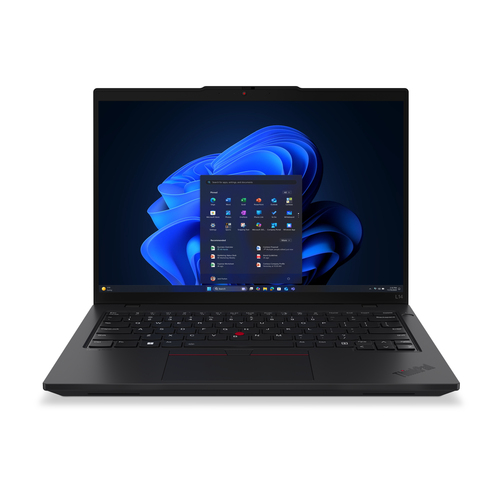
When deciding between the Microsoft Surface Laptop 6 and the Lenovo ThinkPad L14 Gen 6, consider your priorities. The Surface Laptop 6 is favored for its sleek design and portability, featuring an Intel Core Ultra 5 and a 13.5” screen—perfect for professionals frequently on the go. Meanwhile, the ThinkPad L14, equipped with an Intel Core Ultra 7 and a 14” screen, offers robust processing power ideal for intensive tasks in a business setting.
Battery life and connectivity are other factors worth noting. The Surface generally excels in battery longevity, appealing to those who prioritize mobility without frequent charges. In contrast, the Lenovo ThinkPad typically provides superior enterprise features, such as enhanced connectivity options and security functions suited for larger organizations. Both options have their distinct advantages, and assessing them may often boil down to specific business needs and operational environments. To better visualize these differences, exploring a 360 Virtual Room experience can offer deeper insights into both products' usability and design.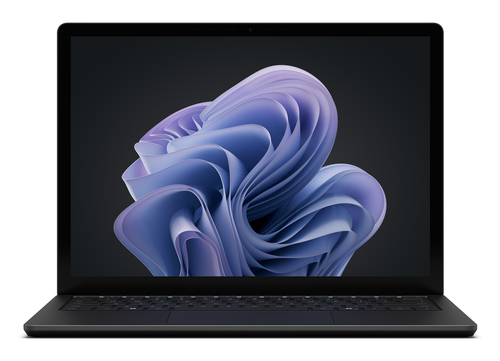
How to Choose the Right AI-Powered PC
Selecting the right AI-powered PC involves several steps to align with your business necessities. Start by evaluating your specific requirements—are you aiming to improve data analysis, enhance customer experiences, or optimize internal processes? Once you've nailed down your goals, delve into evaluating specs like processing power, memory, and AI software compatibility.
It’s also crucial to check system requirements to ensure seamless integration. For instance, if your business relies heavily on graphical computing, look for PCs with dedicated GPUs. Understanding the AI capabilities needed for your particular industry tasks will provide clearer direction. Consulting with vendors can offer additional guidance—Lenovo's site often provides invaluable insights tailored to your needs. Remember, there isn't a one-size-fits-all solution. Often, the task is balancing potential benefits with the associated cost. Keeping these steps in mind will help you make an informed decision, thus maximizing the potential your business can extract from AI-powered technology.Conclusion
The potential transformation AI-powered PCs can bring to a business is undeniable. From streamlining workflows to offering data-driven insights, these advanced machines are capable of revolutionizing how companies operate. When deciding, it’s crucial to assess your business's specific needs to ensure the maximum benefit. After all, investing in technology isn't just about following trends—it's about strategically aligning tools with your company's objectives.
Staying informed about the latest advancements in AI-PCs ensures you can leverage cutting-edge developments without being left behind. Exploring options and connecting with vendors or providers can yield tailored solutions that address unique business challenges. If you're considering making the switch, reaching out to an online tech store in Pennsylvania could offer product insights and delivery solutions that cater specifically to your needs. Curious to learn more about this cutting-edge tech? Explore our collection of AI-powered PCs and related insights today to enhance your business’s tech strategy.Frequently Asked Questions
Common questions about AI PC