Why Should You Consider a Desktop PC in 2023?
In a world increasingly dominated by sleek laptops and mobile devices, it's worth exploring why desktop PCs still hold a significant place. Desktops, with their unmatched performance, customization possibilities, and superior cost-effectiveness, often outshine their portable counterparts. But what makes them relevant in 2023? Let's dive into the myriad factors—performance, flexibility, and affordability—that tip the scale in favor of these traditional yet powerful machines. You might be surprised at what you find!
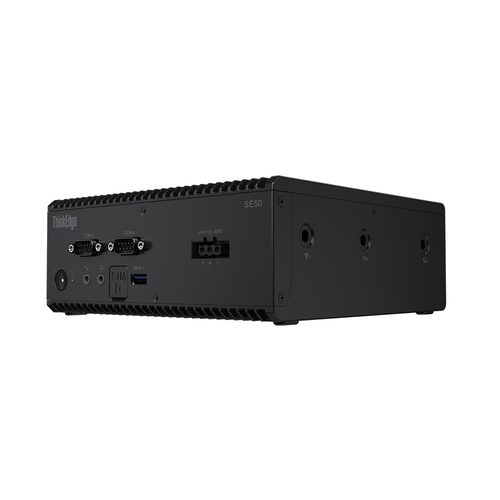
Performance Powerhouse: Why Desktops Pack a Punch
Desktop PCs are, in many ways, the unsung heroes of computing. Their superior cooling systems and extensive hardware options make them the go-to choice for tasks demanding raw performance—think heavy-duty video editing or immersive gaming sessions. Take my own experience, for instance: I found myself buried in a colossal video file, editing away, when my dreamy compact laptop began struggling with lag. My trusty desktop, with its multi-core processors and generous cooling, took over without breaking a sweat.
In scenarios like these, where performance isn't just a nice-to-have but a must-have, desktops excel in spades. With more room for powerful graphics cards and fast processors, desktops can handle complex tasks more efficiently than their portable peers. The freedom to choose high-performance CPUs allows users to match their desktop's capabilities precisely to their needs, something not often possible with laptops due to space and heat constraints. In many ways, desktops turn tedious computer work into a pleasurable experience by eliminating the wait times and frustrations that often come with it. The ability to get more done in less time is a productivity booster unmatched by any portable device—making desktops an excellent choice if performance ranks high on your priority list. Discover more about the power of high-performance processors and how they can enhance your computing experience.Flexibility and Upgradeability: Tailor Your Tech
One of the standout features of desktop PCs is their incomparable flexibility, allowing users to tinker and tailor their machines to suit specific needs. Unlike most laptops, desktops make it incredibly easy to swap out parts like RAM or GPUs, ensuring your system's hardware stays up to date with minimal fuss and expense. This customization potential doesn't just cater to enthusiasts but also provides casual users a way to optimize performance based on evolving requirements. Take, for example, a tech store in Pennsylvania that I used to frequent. They often customize desktops specifically for roles like 3D rendering or gaming at high frames per second.
Diving deeper, the upgradeability aspect of desktops means that as technology advances, you're not stuck using obsolete hardware. Instead, you swap in new components, effectively breathing new life into your PC—something laptops rarely offer before the entire device becomes outdated. This not only extends the desktop's longevity but also ensures you get the best value over time. For those in niche fields requiring specialized hardware configurations, desktops provide the platform for building out custom features, further underscoring their versatility and relevance in 2023. Learn about flexible, upgradeable systems and how they can save you money in our comprehensive guide.Bang for Your Buck: Desktops Offer Optimal Value
When it comes to delivering raw computational power at an affordable price, desktops often represent your best option. You'd be hard-pressed to find a laptop that can offer the same specs for a comparable price. This is particularly true for IT products that demand significant resources; whether you're running multiple applications or engaging in complex computing tasks, a desktop's cost-to-performance ratio usually proves more favorable. In my journey of at-home tech upgrades, I've found that a simple upgrade, like adding more RAM or a solid-state drive, can substantially extend the life of a desktop. Such modifications breathe fresh energy into older systems, saving heaps of cash you'd otherwise spend on a new build altogether.
Furthermore, desktops represent a more sustainable choice. Buying a robust desktop lessens electronic waste over time, as incremental upgrades don't result in entire systems becoming obsolete. Many users value this aspect, knowing their technology choices have long-term impacts on both their wallets and the environment. When evaluating options, the value proposition of desktops often emerges far more compelling. By unlocking more features with fewer dollars spent, the financial logic of choosing desktops becomes apparent. The intricate savings calculations manifest not only short-term, but in an enduring, sustainable use model.Desktops in the Workplace: More Than Just IT Hardware
In business settings, desktops often shine as indispensable pieces of technology due to their unparalleled ability to handle large-scale tasks and support complex setups. From immersive 360 Virtual Room configurations to standard office applications, desktops have positioned themselves as much more than mere IT hardware. Companies around the globe, including Lenovo with their business models, trust desktops for their robust dependability and performance. Having worked in several corporate environments, I've seen firsthand how desktops outperform its portable counterparts in handling demanding projects.
The specialized needs of businesses often align perfectly with what desktops offer. Require a high-res monitor setup spanning multiple screens? Need oodles of processing power for simulations or design software? Desktops handle these needs with ease. Consider how essential such capabilities are for digital drafting or data analysis roles. When compared to laptops or tablets that can lack the horsepower for substantial computational work, desktops stand steadfast. They also offer a comfort factor for employees who may spend hours at their workstations. Looking back, replacing office laptops with desktops proved game-changing for productivity, and I suspect many businesses would echo this sentiment. Visit our in-depth business solutions post to explore different models suited for various business needs.Desktop Showdown: Acer Aspire vs. Lenovo ThinkCentre
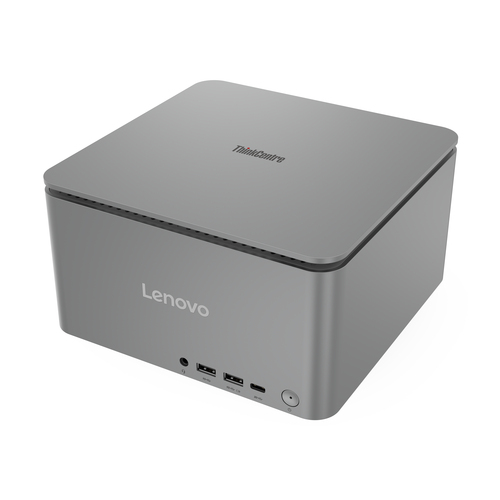
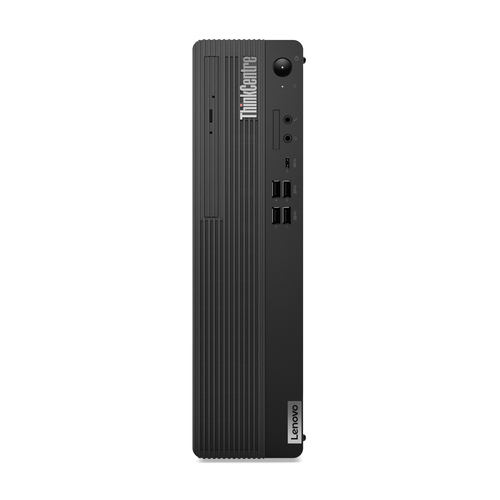
Choosing the right desktop can seem daunting, so let's spotlight two popular models: the Acer Aspire TC-875-UR13 and the Lenovo ThinkCentre M70s Gen 5. The Acer Aspire, with its powerful Intel i7 processor and robust 16GB RAM, gears more towards home users interested in general computing and light gaming. On the other hand, the Lenovo ThinkCentre, equipped with a similar processing unit but optimized for greater business productivity, tends to fit seamlessly into corporate environments.
Typically, these models share similarities in core specifications yet differ in design philosophies and intended use cases. The Acer model leans towards a user-friendly, upgradeable option, while the Lenovo stands out for its security features and business-oriented tools. Examine further product details and product information to uncover nuances that align with your specific needs.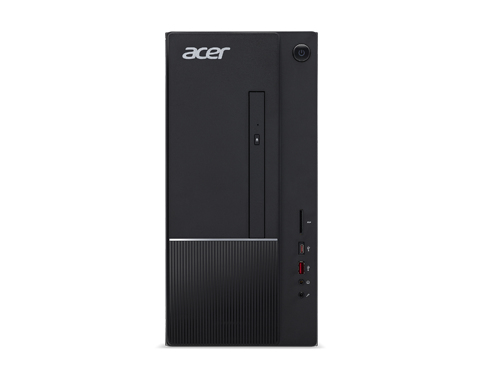
How to Choose the Right Desktop for You
Selecting the ideal desktop is a journey that begins with assessing your specific needs. You want to start by considering what performance tier suits you, balanced against your budget and space constraints. If you're gaming or video editing, prioritize powerful GPUs and CPUs—otherwise, the daily tasks you'll undertake suggest settling for basic specifications might suffice. Next, it's essential to understand specs, which can be a bit overwhelming.
When delving into the specs, pay attention to the processor, the heart of your desktop. A consultation of our processor power guide can offer deeper insights. RAM is another primary component—most users find that 16GB is a sweet spot for multitasking. Don't overlook storage; an SSD will speed things up compared to a traditional HDD. With this groundwork, make comparisons that include brand reliability and after-sales service too. As you hone in on options that fit your checklist, remember that good value aligns not just with price, but in longer enjoyment and utility. Take a look at models that merge these factors and, with this understanding, make informed decisions. Good luck on your desktop adventure!Conclusion
When weighing tech choices, desktops remain a crucial part of our digital ecosystem. With their unmatched performance capabilities, flexible upgrade paths, and enticing value offers, considering a desktop becomes not just an option but a way forward for many. As discussed, the benefits of choosing a desktop—whether for gaming, office work, or creative projects—often outweigh the portability benefits of laptops. For those interested, additional real-world applications showcase how desktops adapt to fit various needs.
Take a thorough look at your current technological requirements and how they intersect with what desktops can offer. Perhaps you're pursuing raw performance, or you're like me, often opting for long-term value. Whatever you decide, exploring current models and reviewing comparisons will grant the clarity needed to make an informed choice. So, why not dip your toes into the world of desktops through our wide-ranging product categories?Frequently Asked Questions
Common questions about Desktops