Are You Making the Most of Your Printer Consumables?
Are you truly making the most of your printer consumables? Often, we overlook their importance, yet understanding these components can significantly enhance print quality and save costs. In this guide, we’ll explore various features, benefits, use cases, and comparisons. You’ll discover practical strategies to maximize your printer’s efficiency, making each print job both cost-effective and high-quality.
Understanding Printer Consumables: The Basics
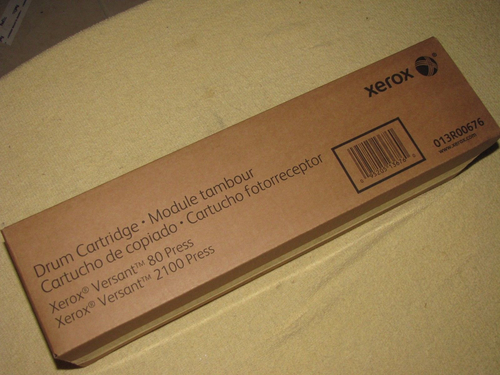
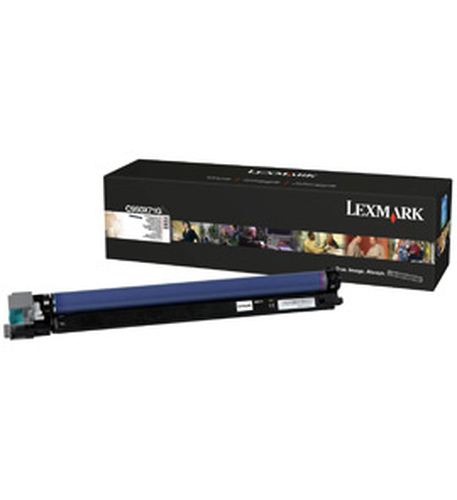
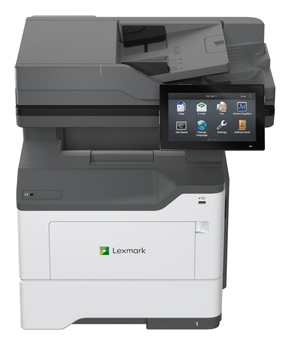
Printer consumables might sound like technical jargon, but they’re simply the necessary items like toners, inks, drums, and even paper that your printer uses to produce documents. Now, you might wonder, what's the big deal? Well, these consumables are essential for maintaining your printer’s performance and the quality of your prints. Typically, users have to choose between OEM (Original Equipment Manufacturer) and compatible consumables. OEM products are from the printer’s manufacturer—like picking a car part from the original dealer. They ensure high quality but come with a heftier price tag most times. Compatible consumables, on the other hand, are third-party products that often promise cost savings.
The trade-off? They may vary in quality, sometimes leading to inconsistent print results, although they usually come at a lower cost. You can find in-depth information in our post on decoding printer consumables, which goes into their role in enhancing print efficiency. That said, understanding these choices can transform not just your printing results, but also your consumable expenses. Choosing wisely means balancing quality and budget, catering to your specific printing needs, whether they involve vibrant images or sharp text. For those making frequent, high-quality printouts, OEM might be worth the investment, whereas alternatives could serve perfectly for everyday business tasks.Why Quality Matters in Printer Consumables
Ever experienced blurry prints or frequent printer jams? Chances are, subpar consumables were to blame. The quality of your printer consumables has a direct impact on print reliability and longevity—not to mention overall print quality. For instance, using poor-quality ink can result in streaky prints or damage your printer quicker than you'd expect.
High-quality consumables might often involve a higher upfront cost, but they usually offer long-term savings by avoiding unnecessary reprints and extending your printer's life. Imagine a business that uses low-cost, inferior products. Initially, they might save a few bucks, but soon they're spending more time fixing jams and fielding customer complaints about document quality. Quality consumables simply mean fewer headaches. But I've learned from experience that not all premium options deliver expected value—it's crucial to balance cost with quality. For more insights, explore why investing in quality consumables can pay off in the long run. And while it's tempting to cut corners, typically, investing a bit more can save you a ton of frustration and money in the long haul. So, think of it not as a cost, but as an investment that's essential for maintaining operational efficiency and professional results.Practical Use Cases for Printer Consumables
Think about a small business: every cent saved on supplies could mean extra investment in growth. Now, imagine this business juggling between printing meeting agendas, marketing materials, and colorful flyers for promotions. It becomes clear how important the right choice of consumables can be. Take high-volume printing in office settings, for instance. Selecting high-yield toners can cut down refills, boosting both productivity and efficiency.
Meanwhile, at home, creative projects or family photo albums may require vibrant and fade-resistant ink for best results. A friend once realized that what seemed like a minor decision on ink choices actually significantly boosted their home photography efforts. Now, what’s your story? Ever thought about how different consumables might impact your tasks? Considering options like high-yield versus standard cartridges can make all the difference. It’s all about matching your needs with the right products—be they OEM or compatible—that best meet those needs. Don’t forget to check other insights on printer consumables that explore more various scenarios to figure out what might fit yours perfectly. With the right strategy in place, you'll save time, reduce frustrations, and maybe even discover a solution you can't believe you lived without!Selecting the Right Consumables for Your Needs
Choosing the right consumables for your printer can be likened to selecting the perfect oil for your car—it’s all about compatibility and ensuring the best performance. Different printers have unique needs, so it's important to dive deep into product specifications. Researching is crucial; a small oversight could lead to non-compatible consumables that won't fit your machine. So how do you decide? Calculating the cost per page could be a good starting point.
You should also weigh factors like print frequency and required print quality. In my experience, focusing on these parameters often leads to the best outcomes. Other considerations might include environmental factors—eco-friendly options often add benefits like recycling incentives or reduced waste. When uncertain, consulting your printer's manufacturer guidelines is wise. We've covered extensive tips on maximizing value from printer consumables to ensure you don’t just make a choice, but make an informed one. It’s not about choosing the most expensive option but rather the one that aligns with your specific needs. And when it resonates with your daily requirements, that selection becomes not just a purchase... it feels like a well-aligned decision. Isn’t it time you felt confident in your printing choices?Comparing Top Picks: Lexmark vs. Epson
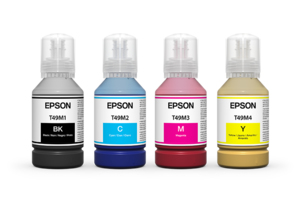
Let’s break down Lexmark's 70C0H10 toner and Epson's C13T49M320 ink for a moment. Lexmark is known for high-yield capacity, which suits heavy-duty black-and-white jobs typical in any bustling office. Epson, on the other hand, focuses on vivid color reproduction—perfect for presentations and marketing materials. Typically, both offer an eco-friendly angle; Lexmark promotes recycling programs while Epson boasts reduced environmental impact in ink technology. Yet, won't these considerations affect your budget? Absolutely, but in varied ways.
Lexmark's option often proves more cost-effective over time for monochrome, high-volume needs—ideal for businesses. Epson might see slightly higher usage costs but shines in quality digital artwork prints and creative environments. These comparisons help pinpoint what’s pivotal for your specific case. For more on balancing these choices, consider broader product comparisons exploring versatile requirements across various office environments. By aligning your choices with primary operating needs, you’re on the right track to maximizing effectiveness.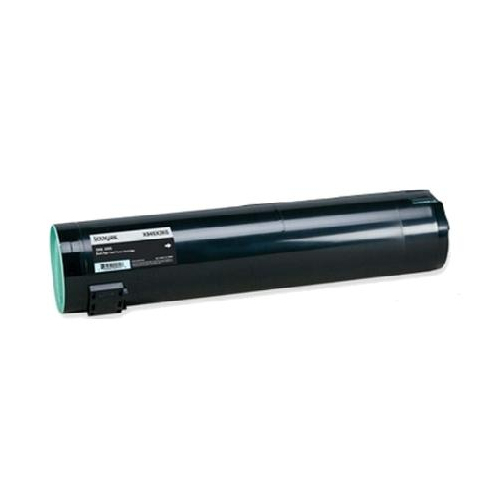
How to Install Printer Consumables Correctly
Getting your printer consumables installed correctly isn't just a skill—it's a bit of an art. Start by turning off your printer to avoid any accidental damage. Open the cover, remove the protective tape, and carefully position the toner or ink cartridge in place. But here’s a pro tip: don't jiggle those ink cartridges; doing so can cause leaks. That’s a common mistake even I fell for early on.
Also, never forget to handle disposals responsibly; recycling containers are usually available for cartridges. Scheduling periodic cleaning can preempt malfunctions and ensure you avoid poor print quality. Want to minimize surprises? Consult manufacturer guidelines specific to your model—they often include practical insights we might overlook in setup excitement. By respecting the nuances of installation, you ensure longevity and reliability—two elements printers deserve, don’t you think?Conclusion
Understanding, selecting, and using printer consumables properly can really turn your printing experience around. Throughout this guide, we’ve explored why getting to grips with consumables matters and how these choices directly affect both quality and cost-efficiency. So, what's next? Explore more about printer consumables with our other essential printer info, and make choices you feel good about. You're now better equipped to navigate this sometimes-confusing world. While premium isn’t always the way, informed decisions certainly are. Interested in community insights or eager to share any of your own experiences? Feel free to dive into discussions in the comments. This is your chance to share wisdom or even vent about those printing woes. Soon enough, you’ll be a printer consumables connoisseur—ready to tackle anything print-related head-on!
Frequently Asked Questions
Common questions about Printer Consumables