Which Desktop is Right for You? Unveiling the Best Choices
Choosing the right desktop in an age of rapid technological advancements can be daunting. Yet, desktops continue to hold their ground as vital components of our tech landscape. They offer unmatched power, flexibility, and reliability. This blog post is your guide to understanding the myriad options available, ensuring you can make an informed decision tailored to your needs.

Understanding Desktop Features
When it comes to desktops, key features like processor speed, RAM, and storage options such as SSD versus HDD can feel overwhelming. Think of a high-speed processor as the brain of your computer—faster speeds typically mean you can perform multiple tasks without breaking a sweat. Much like having a chef (your CPU) with a super-fast chopping speed in a busy kitchen.
RAM, or Random Access Memory, acts like your...reservation list—it determines how many guests (programs) you can serve at once without chaos. More RAM often means smoother performance, especially when multitasking. Meanwhile, choosing between an SSD and an HDD is somewhat like deciding between a sports car and a truck: SSDs are speedy but usually pricier, while HDDs offer more space but can be slower. Graphics cards are like the headliner at a concert, especially for gamers and creatives. They bring vivid visuals to your screen, so having a good one is crucial for graphic-intensive tasks. Understanding how these components play together can help you pick the right setup, whether you’re diving into gaming, conquering spreadsheets, or just surfing the web.Benefits of Desktops Over Other Devices
Desktops tend to excel in areas where laptops and tablets sometimes fall short. They pack a real punch in terms of power and performance—providing the capability to handle intensive tasks like video editing or gaming with relative ease. Unlike their portable counterparts, desktops are typically more upgradable. Want a new graphics card? No problem! Simply slot it into your existing setup without the hassle of buying a whole new machine.
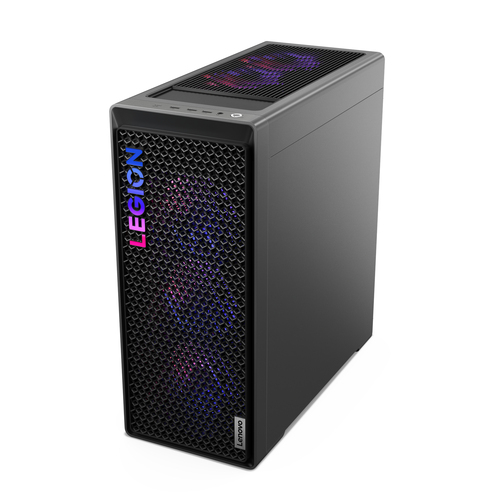
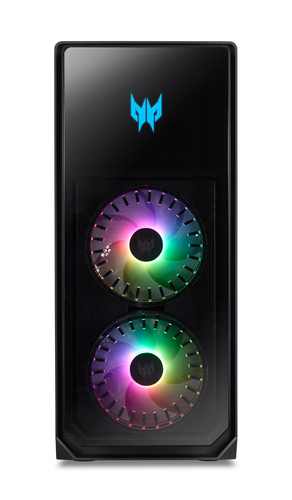
From a cost perspective, desktops typically offer more bang for your buck. Consider an example from a business setting: why buy several costly laptops for the whole team when a few powerful desktops can run the same software more efficiently and with greater speed? This cost-effectiveness is appealing to businesses looking to maximize their technology investments. Personalizing a desktop is another nifty benefit. Whether you want to jazz up your setup with additional monitors or add flair with RGB lighting, desktops offer a level of customization that’s hard to beat. You might have your own aesthetic in mind, and with desktops, you can easily create a setup that's both functional and visually appealing.Who Needs a Desktop?
Ever wonder if you really need a desktop? You're not alone. For gamers, desktops can be akin to the ultimate gaming hub—powerful, customizable, and ready to handle the most demanding games. For remote workers, a desktop can mean a dedicated, distraction-free space much like a well-equipped command center designed for productivity.
Creatives, too, might find desktops indispensable. Whether it’s video editing, graphic design, or intricate 3D modeling, desktops provide the horsepower necessary to run advanced design software without a hitch. In my experience, creative professionals often rely on desktops for this very reason. On the flip side, some businesses might argue a mix of devices is beneficial. Imagine an office where desktops anchor the work environment and employees can shift to laptops for client meetings. This adaptability underscores why many still value desktops. In varying real-world scenarios, the unique benefits desktops offer remain clear, and for certain tasks, few alternatives can compete with their reliability and performance. If you're curious how desktops are utilized in business environments, there's plenty more to explore.Navigating the Desktop Market
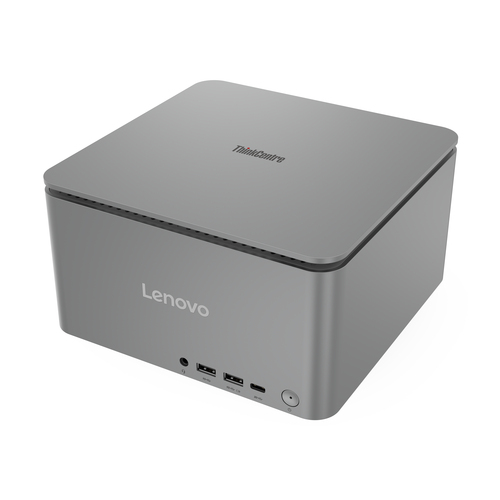
Buying a desktop isn't always straightforward, but that's part of the fun! Start by considering what truly matters: do you need cutting-edge software capabilities or robust tech support? Market trends tend to shift, with lightweight and energy-efficient models like mini PCs gaining popularity. It’s often tempting to veer towards premium models, but remember—higher cost doesn’t always translate to better fit.
Choosing a desktop should be personalized. Do you prioritize aesthetic design or is raw power your focus? Maybe your selection hinges on brand loyalty or hands-on experience. Nowadays, mid-range desktops provide fantastic performance without the high price point. Previously, I’ve leaned towards generously powered machines, but more recently, I’ve discovered a love for compact, quieter models. If you’re exploring your options, consider how extensive future upgrades might be. After all, why compromise on a system that enables you to grow right alongside it? It’s valuable to balance between current market offers and personal expectations, and remember, if in doubt, professional reviews or forums can offer guidance without bias. Not every decision needs to hinge on tech specs—sometimes, a personal recommendation, a “this worked for me” story, can be even more reassuring.DELL Pro QCT1250 vs. Simply NUC 91F-F715-091
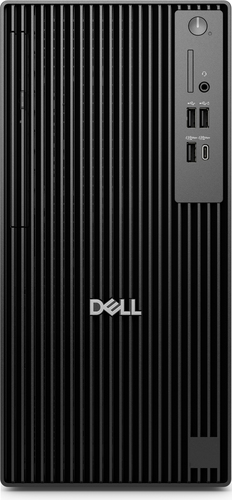
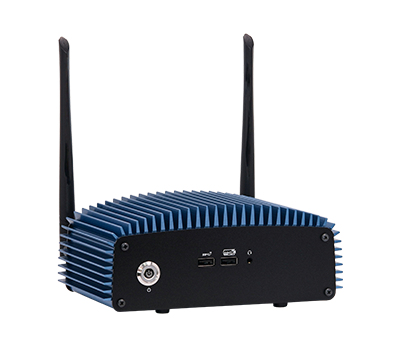
Delving into specifics, the DELL Pro QCT1250 stands out with its impressive security features. Businesses often select this model for advanced protection, emphasizing data integrity. Meanwhile, the Simply NUC 91F-F715-091 shines with its fanless design—a boon in noise-sensitive environments. Its compact form suits high-demand yet constrained office spaces.
When comparing horsepower, the DELL might edge out slightly for intense applications, but for routine tasks or space-tight setups, the NUC proves its worth. Choosing between these depends largely on environment: for bustling, dynamic offices, the DELL’s robustness is a familiar ally. But, if you’re setting up in a sleek studio, especially where silence is golden, the Simply NUC offers a fitting alternative.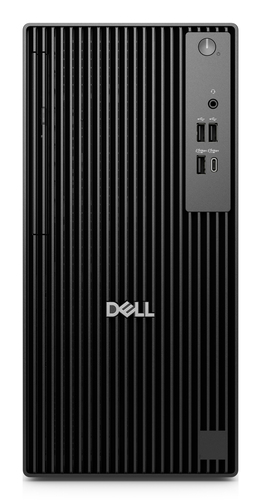
Setting Up Your New Desktop
Setting up your desktop can be an enjoyable initiation into tech tweaks. First things first, let's unbox with care. Avoid rushing—components tucked within require safe handling. Connecting peripherals is next: think keyboard, mouse, and monitor—get them plugged into the correct ports.
Now, software setup. Begin installing essentials like your operating system, office suite, and any specialized programs you might need. Adjust system configurations for optimal performance; ensure Windows updates (if that’s your OS) are current. Troubleshoot any surprises—like non-responsive hardware—which could often be traced back to simple connection issues. Organize your workspace, fostering an environment where productivity is nurtured—double monitors can often double your efficiency! By the time everything's in place, you’ll not only have a machine ready to perform but also a workstation that reflects your personality.Conclusion
In essence, selecting a desktop involves a dance of balancing features, benefits, and personal needs. From dissecting hardware components to comparing whole systems, understanding the landscape is crucial. Remember, desktops provide unique advantages—be it the reliability of performance or cost-effectiveness.
Reflect on what truly matters for you—whether it's gaming prowess, professional utility, or simply reliability. Ready to find your perfect match? Explore our comprehensive guide on choosing the best desktop for your needs. There’s much more insight waiting at our category page, paving your path to informed tech decisions.Frequently Asked Questions
Common questions about Desktops