Are Desktops the Best Choice for Business Tech Needs?
Thought desktops were old news? It turns out they still hold a prime position in many business tech arsenals. While it's easy to think of them as relics, their raw computing power, robust durability, and cost-effective advantages ensure desktops remain a staple in workplaces today. Let's dive into why desktops continue to be a crucial component in the ever-evolving IT landscape, offering balance and value that might just surprise you.
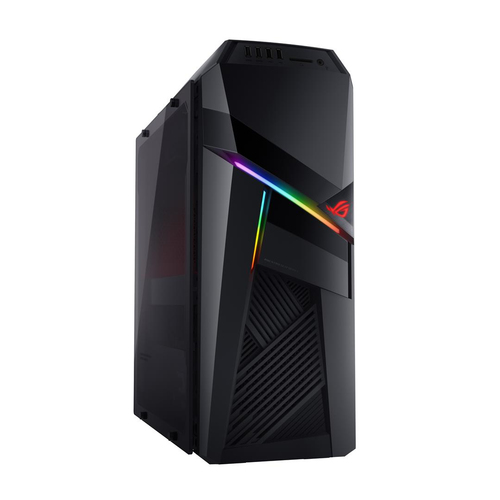
Power and Performance: Unmatched by Any Portable
Desktops generally pack more punch than laptops or tablets—not just with bigger CPUs but also with cooling systems that keep things running smoothly. Imagine them as the steadfast workhorses in the tech stable: reliable and ready to take on heavy loads without breaking a sweat. For instance, running data-heavy applications like video editing software or CAD programs is often smoother and faster on desktops. They deliver consistent performance without the thermal throttling you'd often encounter on laptops after a few hours.
On a laptop, you might start a big render only to have the machine slow down unexpectedly—I've been there, and it's frustrating! With a desktop, though, you can tackle these demanding tasks without constantly checking the fan noise or bottlenecking your productivity. Explore more about processor power here. Many businesses rely on this kind of power. Think financial firms running complex simulations or creative agencies editing high-resolution videos. Desktops cater to these needs adeptly, providing an efficiency that empowers workers to get more done. And while portability is a laptop's strength, for stationary tasks that demand muscle, desktops typically win hands down.Cost-Effectiveness: More Tech for Your Buck
When it comes to getting tech power for your dollar, desktops usually take the crown. They're often cheaper for similar specs compared to their laptop counterparts. And they offer more bang for your buck. Think about all the upgrades you can make without diving into frustratingly compact laptop internals! Adding more RAM or a bigger SSD is a simple task with a desktop, stretching that initial investment even further.
I remember upgrading my desktop's graphics card—a few screws, a quick snap, and it was done. No prying at tiny screws or delicate keyboard ribbons like with laptops. This kind of flexibility can save you considerable costs over time, especially as business needs evolve. On the other hand, On-Site IT Services for desktops are generally more affordable and straightforward too. Whether you’re enhancing speed or expanding storage, desktops enable adjustments that are both practical and economical. Of course, it's important to balance initial investment and potential upgrades. Desktops might not travel well, but in many business scenarios, they offer a financial edge that’s hard to ignore.Customization and Upgradeability: A Tinkerer's Dream
For those who love to tinker, desktops are a dream come true. Like a blank canvas for tech enthusiasts, they invite you to swap out graphics cards, tweak cooling systems, or fully redesign the setup to meet your specific needs. This freedom fosters tailor-made solutions for distinct business tech challenges.
In one scenario, a business might require specialized computing for architecture 360 Virtual Room utilization. With desktop PCs, the adaptability is unparalleled, offering prolonged lifespan and superior performance. And yes, they let you express some creativity! (It's not just about squeezing out power.) I once helped a friend transform his standard desktop into a multi-monitor setup for stock trading. The space and accessibility desktops provide made it both possible and cost-effective. This kind of modification isn't just fun—it's beneficial when future-proofing against evolving demands becomes essential. In today’s dynamic business environments, where needs aren't static, desktops stand preferenced for those looking to extract that extra bit of efficiency and capability from their machines. Learn more about desktop customization options here.Durability and Reliability: Built for the Long Haul
Desktops are built to last, created with components designed for consistent use and tougher environments. Their heavier parts contribute to longevity—as opposed to laptops that, while sleek, sometimes skimp on sturdiness.
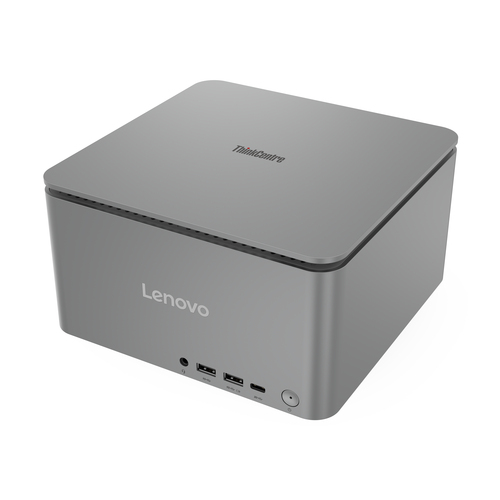
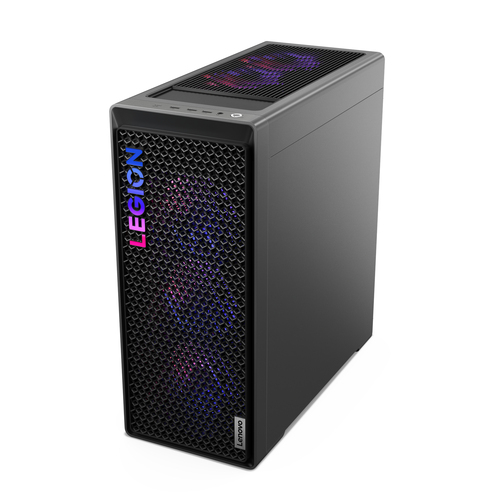
Imagine an office where desktops outlast several generations of laptops, a frequent occurrence. Statistics often show desktops averaging longer operational lifespans, which means fewer replacements over time. This resilience is a significant factor for businesses valuing long-term investments. Of course, for some workforces, laptops might be the necessary tool for mobility. But in stationary office setups, say like many firms in Pennsylvania, the longevity benefit of desktops is tough to beat. You won't face the same connectivity issues or the noise of a fan struggling to keep up. Lenovo’s robust solutions exemplify this, offering durability that fits the bill in various settings. Understandably, the office tech ecosystem is vast and varied. But there’s something to be said for technology that quietly and efficiently does its job, day in and day out.Examining Top Choices: Simply NUC 910 vs. Lenovo ThinkEdge SE10
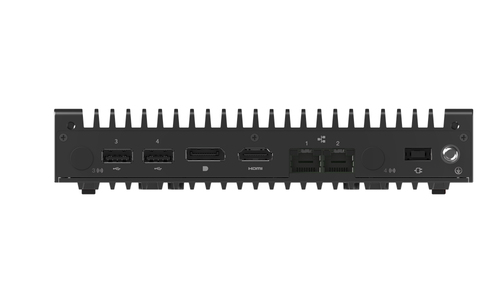
When it comes to finding the right fit, consider the Simply NUC 910 and Lenovo ThinkEdge SE10. These models cater to distinct business needs. The Simply NUC 910, equipped with an Intel® Core™ i7, excels in handling demanding applications. It's a powerhouse for offices focusing on intensive tasks. Meanwhile, the ThinkEdge SE10, with its Intel Atom®, suits environments where resource-light operations are key. Compact designs mean they both save desk space, but the choice depends on your task load.
If your business involves hi-res graphic processing, the Simply NUC 910 is likely the better option. However, for light, everyday tasks that require more of a 'just works' reliability than cutting-edge performance, the SE10 stands out. Each of these offers unique advantages, and it's about aligning them with what your business methodically necessitates—whether that's sheer processing power or operational efficiency in a minimal footprint.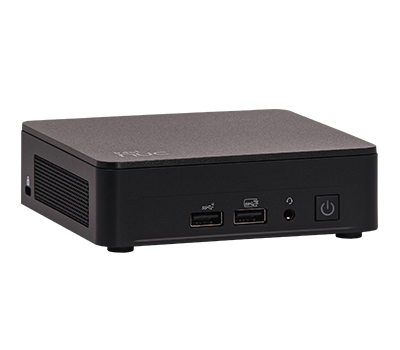
How to Choose Your Perfect Desktop Setup
Choosing the right desktop starts with knowing what tasks dominate your day. Are you a heavy multitasker? More RAM could be your priority. If resource-heavy tasks are your norm, look for strong CPU power.
Setting a budget is crucial; know where to splurge and where to save. Always consider future-proofing—'you can never have too much memory!' Usually, investing a little extra in RAM upfront translates to easier scaling later. Desktop setups can offer better trade-offs between price, power, and potential for upgrades. Check out our insights on design customization to maximize usability. Don’t forget to think about ergonomics and the overall design too—after all, this setup is a long-term crossroads between you and your work.Conclusion
Desktops bring a robust mix of power, cost-efficiency, and customization to businesses—a compelling trifecta for any IT setup. Remember the raw performance efficiency, affordability, and adaptability they offer. Whether it’s a tech workspace or creative studio, desktops often form the backbone where consistency and reliability matter most. On balance, weigh the stories and insights shared, maybe they're right for you too.
Explore our diverse desktop offerings. Go ahead, make your choice—your digital stage awaits. It's all about finding that sweet spot where performance meets practicality for your business aims.Frequently Asked Questions
Common questions about Desktops