Are Desktops Still the Best Choice for Your Work Needs?
In a landscape saturated with tablets, laptops, and smartphones, one might think the desktop computer is an artifact of the past. Yet, in sectors like IT and business, desktops are alive and well, playing a crucial role. Companies rely on their unmatched power for heavy tasks. As we delve deeper, we'll explore why desktops hold their ground through features, benefits, use cases, and comparisons—helping you decide if they're right for you.
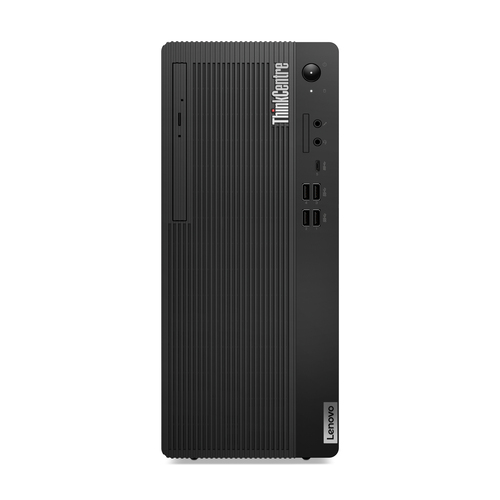
Highlighting Key Desktop Features: What's Under the Hood
Desktops are typically packed with high-performing components like superior processors, vast memory, and large storage capacities. Processors such as Intel’s Core i9 or AMD’s Ryzen 9 offer a level of performance that's hard to match, especially for demanding tasks like video editing or complex calculations. RAM is another crucial element—generally, desktops start at 8 GB but can be easily expanded to 64 GB or more for professionals needing intense multitasking capabilities.
Say you're in the IT or business realm; you might find desktops are essentially your best ally. For instance, storage options including SSDs (Solid State Drives) give you access to files faster than ever. In models like Lenovo's own lineup, you get not just speed but reliability without breaking the bank. Similarly, Avocor desktops come packed with top-notch specs, making them ideal for corporate settings—whether it's real-time data processing or handling massive databases. Furthermore, desktops can be customized and upgraded as your work demands change. Though laptops are catching up in horsepower, the flexibility of swapping out parts in a desktop remains unmatched. Therefore, it's no surprise desktops are frequently a top choice for businesses that demand adaptability.Understanding the Benefits: Why Choose a Desktop?
Consider what desktops offer in reliability and cost-effectiveness. They often deliver more performance at a lower price point than many laptops, making them a wise investment. In my experience, desktops are less prone to damage due to their stationary nature—no more worrying about accidental drops.
They're usually more durable long-term. Plus, there's something reassuring in knowing your desktop isn't running out of battery mid-presentation! A colleague once swapped his high-end laptop for a modest desktop and never looked back; the consistency was exactly what his business needed. Beyond personal anecdotes, desktop computers are integral to IT infrastructure. They play a significant role in business operations, offering a stable platform for software that demands high resource consumption. In the broader IT hardware context, desktops provide a sort of 'workhorse' status by handling high workloads without a hitch. If you love to tinker with tech, desktops are delightful—easy to upgrade, whether it's boosting memory or adding new peripherals. Interested in reading more about choosing the best desktop components? Dive into our in-depth evaluation of desktop tech solutions and business compatibility.Use Cases: Where Desktops Shine Brightly
For many, desktops aren’t just a tool; they’re essential to their workflow. In demanding office environments, desktops handle large spreadsheets and data analysis software adeptly. Graphic designers cherish the raw power desktops provide—rendering files quickly and efficiently. And let's not forget gamers, who relish the high performance possible in custom-built systems.
Education is another field where desktops come into their own. Schools continue to rely on them for everything from basic learning applications to software like AutoCAD and Photoshop. If you're considering how transformative technology can be, discover insights in our piece on desktop applications in classrooms. Moreover, desktops are exceptional for tasks requiring extensive storage capacities. Think of a professional photographer archiving thousands of images or a video editor juggling terabytes of footage. They need systems that don't just run smoothly but can store their life’s work securely. Despite the portability of laptops and tablets, there's often no substitute for the robust, reliable performance a desktop provides in these scenarios.Product Comparison: Avocor vs. Lenovo
When we talk about desktops, both Avocor and Lenovo offer compelling choices tailored to different needs. Take Avocor’s Rockchip-based devices, for instance; they shine in educational setups, integrating seamlessly with classroom displays and offering interactive solutions. For more on their focus on learning environments, explore how Avocor optimizes educational spaces.
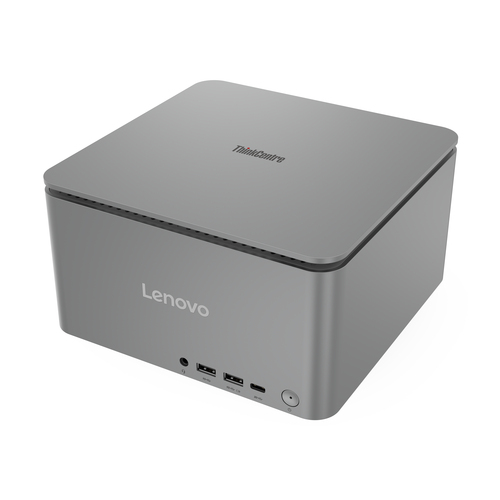
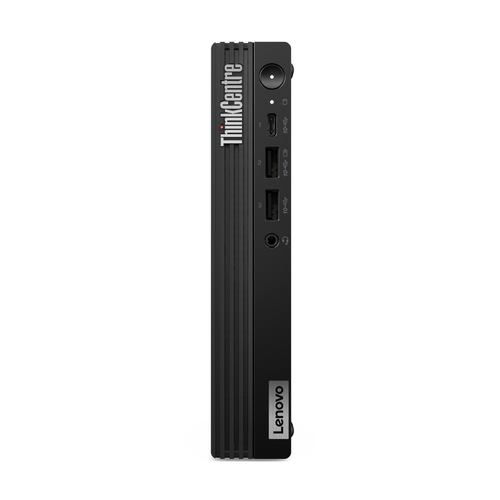
Meanwhile, Lenovo’s ThinkCentre M75q is a powerhouse in the business arena. Packed with AMD Ryzen™ processors and the ability to support up to 32GB of RAM, it delivers a punch for most corporate applications. It's a reliable workhorse that ensures everything from daily tasks to complex computations run smoothly. You can check out the extensive capabilities of Lenovo’s desktop offerings here. While Avocor generally leads in interactive environments, Lenovo’s strength is raw performance and adaptability, making it an excellent choice for businesses requiring robust solutions. It's a classic debate between seamless user interaction versus hardcore computing power—a choice ultimately driven by the unique needs of your workspace.Choosing Between Two Standout Products for Different Needs
Ultimately, deciding between Avocor and Lenovo depends on context. For education, Avocor is often the go-to; its focus on integration with displays and interactive platforms is unmatched. On the flip side, Lenovo triumphs in scenarios demanding processing muscle—ideal for business environments where productivity is key.
Evaluating the pros of Avocor for educational use alongside Lenovo’s business-centric offerings can guide your decision. For classrooms focused on engagement, Avocor's systems could be the answer. Meanwhile, Lenovo's desktops represent a sound investment for data-driven missions.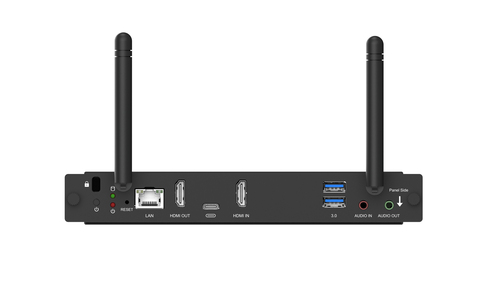
Getting Started: Setting Up Your New Desktop
Setting up a desktop is a task even beginners can tackle. Start by unboxing your new system and ensuring all components are intact. Choose a spacious, ventilated area—this helps in maintaining the system's longevity. After positioning, connect peripherals like the keyboard and mouse to their respective ports.
Once powered on, it’s time for the software setup. If issues arise, simple troubleshooting, like verifying cable connections, often resolves them. For those needing deeper dives into setup, our detailed guide lays everything out clearly. Also, consider the valuable services available at the Online Tech Store, Pennsylvania—a one-stop shop for tech peripherals. Finally, as you embark on this setup, keep this tip in mind: organize and manage cables well, avoiding a tangled mess. This not only looks neat but aids in maintenance down the road.Conclusion
Deciding on a desktop can hinge on multiple factors—from performance needs to budget considerations. Desktops offer unmatched power and adaptability, making them a staple in many professional settings. If you're someone who values upgradability and sustained performance, they are hard to beat.
Assessing the long-term benefits against the allure of portable solutions like laptops, desktops generally promise more for less over time. For businesses, investing in desktops is not just about immediate gains but positioning for future tech evolutions. Wondering if desktops are still the best fit for your needs? Dive into our comprehensive comparison and explore options tailored to your work demands.Frequently Asked Questions
Common questions about Desktops