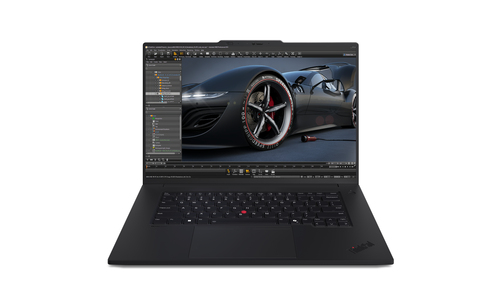
How Can AI-Powered PCs Enhance Your Business Tech Strategies?
In today's fast-paced business world, AI-Powered PCs are making a significant impact. These intelligent machines aren't just about fancy upgrades; they offer enhanced computing power and smart assistance to streamline workflows. Think of AI-PCs as your business's new best friends, boosting productivity and optimizing tasks. Over the course of this article, we’ll delve into their standout features, remarkable benefits, and how real-world applications can transform everyday operations.
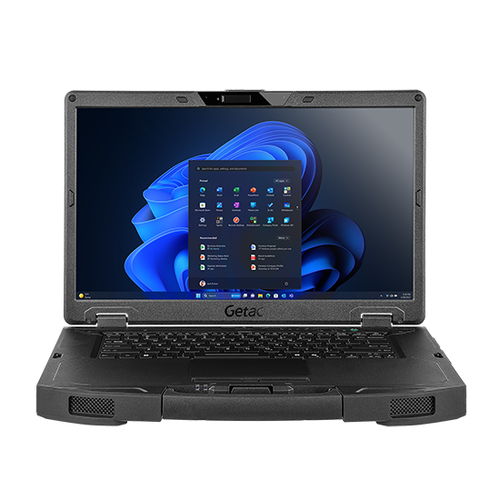
Understanding the Core Features of AI-Powered PCs
AI-Powered PCs are not just regular boxes with wires—they are packed with magic under the hood. Intelligent processors drive these machines, often from top-notch brands like Intel or AMD, tailored to provide the rapid computing power businesses crave. The advanced memory configurations usually mean you'll hardly feel the lag, even when multitasking like there's no tomorrow. But what truly sets them apart? It's all about the seamless connectivity and machine learning capabilities; imagine having a computer that learns and adapts to your needs over time.
AI-PCs also bring features like intuitive voice recognition into the mix, turning them into digital assistants akin to what we often see in futuristic films. These capabilities can drastically improve user interaction and overall efficiency. In my experience, the capability to run multiple resource-intensive applications simultaneously without a hiccup can redefine productivity standards for businesses. Besides, the technical specs—often a blend of substantial RAM and SSD storage—enhance performance, ensuring that whether you're rendering a high-resolution video or analyzing complex datasets, your AI-PC won't break a sweat. That said, understanding these features is just the tip of the iceberg; where they shine is in their execution, turning tech specs into tangible daily improvements.The Benefits and Value Propositions of AI-PCs
Integrating AI-Powered PCs into your business strategy can feel like unlocking a secret level of efficiency and effectiveness. The primary advantages often boil down to improved multitasking and unprecedented cost-efficiency. For instance, with these PCs, employees can juggle various tasks with minimal downtime—imagine teams effortlessly collaborating on projects without the usual tech frustrations.
Take a real-world scenario: a mid-size consulting firm upgraded to AI-PCs and reported a 30% boost in project delivery times. The machine learning capabilities of these PCs adapt over time, tailoring operations and optimizing performance based on usage patterns. In the long-term, for businesses, especially ones dealing with large data computations, this can translate into substantial cost savings—think of less time spent and more output generated. Furthermore, cost considerations usually play a crucial role. Though AI-PCs might seem like a premium investment upfront, potential reductions in workflow inefficiencies and technological adaptability often justify the price. Companies usually find these computers particularly beneficial in project management, streamlining operations while maintaining a cost-effective edge. So, when planning strategic tech investments, envision AI-Powered PCs not just as a purchase but as a gateway to transformative business efficiencies. For more insights into how these benefits manifest in different industries, explore the value propositions discussed here.Use Cases and Practical Applications of AI-Powered PCs
AI-Powered PCs often become the unsung heroes in a variety of business functions. Let's take data analysis, for example. Many companies find these PCs indispensable due to their ability to process large datasets rapidly—a finance department could, in theory, cut analysis time in half compared to legacy systems.
In customer service, these PCs enable advanced solutions like AI-driven chatbots, which enhance customer interaction by providing quick responses and personalized experiences. This not only boosts client satisfaction but also lightens the load for human staff. Companies like XYZ Corp reported significant enhancement in customer interaction metrics post-AI-PC implementation. Another exciting application is in remote work settings. AI-PCs support seamless connectivity, which means remote teams can collaborate as effectively as if they were in a physical office. Think of a creative agency, all team members spread across regions, working with high-resolution digital media without worrying about performance lags. These PCs make such scenarios achievable. By diving into our category on AI applications in business, you'll find more compelling examples and explore how similar technology can enhance your business.Addressing Common Challenges with AI-PCs
When venturing into the world of AI-Powered PCs, businesses often face some hurdles. Budget constraints can be a significant concern; these enhanced systems are usually priced higher than regular PCs. Yet, the return on investment, if measured correctly, often offsets this initial outlay. By opting for installment and leasing options, companies can manage costs more effectively.
Another common challenge revolves around skill gaps. Employees may need training to fully leverage AI-PC capabilities. Industry best practices suggest implementing structured onboarding sessions so teams are up-to-date with tech developments. Also, ensuring compatibility with existing systems can be tricky. It's crucial to seek out training programs, perhaps by aligning with tech vendors offering support packages, to bolster your team's skillset. Moreover, with premium features, there's always a balance between cost and need. For businesses with stringent budgets, selecting AI-PCs with core features specific to operational necessities may be more prudent than opting for fully loaded models. In my experience, engaging employees in tech selections frequently helps streamline the adoption process. On the Lenovo site, you can explore more insightfully into how certain features may align with your needs without breaking the bank.DELL Latitude vs Lenovo ThinkBook: A Comparative Review
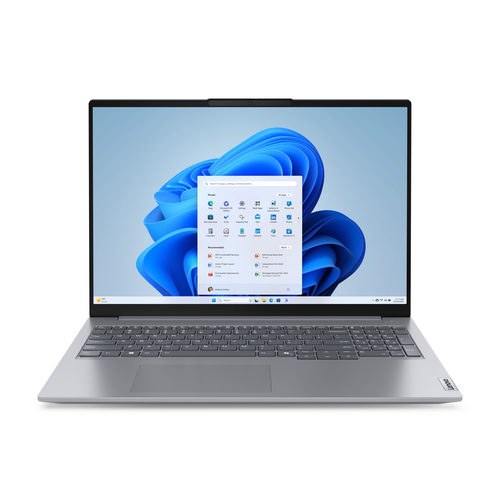
When comparing the DELL Latitude 2-in-1 and the Lenovo ThinkBook 16 G7, each has unique strengths that cater to different business needs. The DELL Latitude shines with its AI-driven assistance in adaptive performance, making it a favorite for businesses needing to optimize computing resources on the go. Its real-time adaptability is often highlighted as a must-have for dynamic work environments.
On the other hand, the Lenovo ThinkBook impresses with powerful processing capabilities, often favored by small to medium-sized businesses seeking robust performance for demanding tasks without a hitch. Pricing-wise, DELL tends to sit at a higher price point, reflecting its advanced adaptive features. Meanwhile, Lenovo offers a more balanced pricing model, thus appealing to those seeking strong performance without overspending. When determining which to invest in, consider your primary use case and explore additional details on each to truly understand which aligns with your business strategy.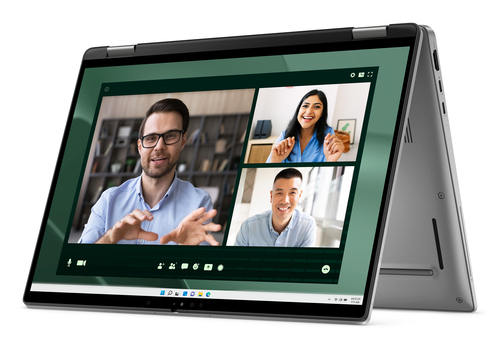
How to Choose the Right AI-PC for Your Business Needs
Choosing the right AI-PC involves several considerations, yet it doesn’t have to be a daunting task. Start by evaluating your business needs—identify which tasks need enhancement. Next, set a realistic budget that aligns with your financial strategy. Prioritizing must-have features, such as processor speed or storage capacity, is crucial.
While navigating tech specifications, always scrutinize warranty terms; they often provide a safety net for your investment. Be sure to weigh software compatibility and vendor support, as these factors can tremendously impact long-term usability. Additionally, consider the vendor's reputation and potential for long-term partnerships, as these can influence service quality and support offerings you receive. It's usually prudent to consult team members, gathering diverse perspectives on what features would be most beneficial. Ultimately, your choice should merge strategic business goals with practical tech capabilities, offering the best value return. You might also refer to our gear selection guide for more nuanced advice.Conclusion
As we've explored, AI-Powered PCs offer transformative potential for modern businesses. Their ability to enhance productivity, streamline operations, and drive efficiency makes them a compelling choice. While these benefits make AI-PCs a valuable investment, understanding their adaptability to your specific needs is key. Embracing such technology signifies more than just a tech upgrade; it's about positioning your business for future success.
Remember to maintain an agile approach when integrating these systems; adaptability will help capitalize on AI-PCs to their fullest potential. To learn more about specific models and find the best options for your business, check out our detailed product page. With strategic use, AI-Powered PCs can indeed guide your business toward smarter, more effective operation. So, why not start exploring your options today?Frequently Asked Questions
Common questions about AI PC