What Makes a Desktop the Right Choice for You?
Even in a world teeming with laptops and tablets, desktops remain a viable choice for tech enthusiasts and professionals. They offer unparalleled processing power and storage capabilities, making them ideal for complex tasks and multitasking. But when is a desktop truly the best fit for you? In this post, we'll explore key scenarios where desktops excel and help you decide if it's the right technology solution for your needs.
The Power of Processing: Unleashing Speed and Efficiency
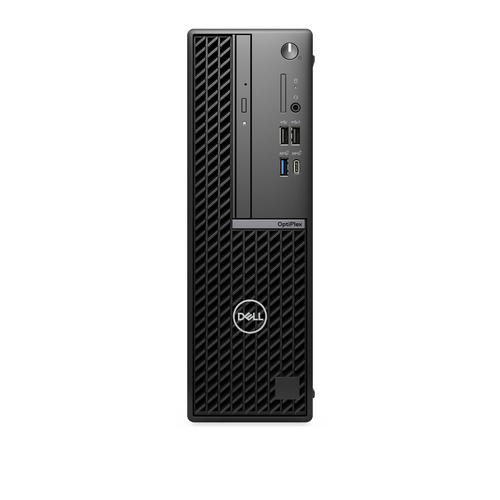
Desktops are typically synonymous with power, particularly in the realm of processing. Take Intel® Core™ i3 and i7 processors, for example—these bad boys can handle multitasking in IT products with ease, with multiple cores managing complex computations efficiently. If you're running a small business or diving into data-intensive tasks, these processors can be a game changer. When I upgraded my own setup from an i3 to an i7, the productivity boost was noticeable—applications opened in a blink, and no more sluggish performance during demanding tasks. It's essential to consider where technology stands; in an era of rapid advancements, staying updated with the power of high-performance processors is crucial.
Not only do these powerhouses excel in professional environments, they also enhance your personal tech endeavors. Think of your desktop's brain like a bustling city where tasks commute seamlessly, thanks to the sophisticated roadmap of modern processors. Whether you're rendering high-definition videos or computing massive datasets, the speed and efficiency offered by cutting-edge processors redefine what you thought was possible. And as new generations of processors push the boundaries, knowing when to invest in an upgrade can significantly impact your daily work life. For more insights, check out our computer technology category, which delves deep into this aspect.Memory and Storage: Balancing Your Needs
Memory may be the unsung hero of desktop performance. Consider DDR4-SDRAM and DDR5-SDRAM—it’s the craftwork that enables your devices to run smoothly. If you're developing software or analyzing large data sets, having ample memory goes from being a 'nice-to-have' to an absolute necessity. I remember when I upgraded to SSD storage along with ample RAM; tasks that seemed endless became manageable. This balance between speed and capacity is not just a luxury in today’s fast-paced world; it greatly enhances productivity.
However, let's not forget the scenarios where going all out on premium memory and storage isn't all that necessary. If your desktop is mostly for casual use or light office work, pouring money into maximum memory can feel like overkill. What's often key is knowing when these upgrades translate into tangible benefits—like more efficient workflows or a smoother user experience. Many tech industry insiders suggest weighing the return on investment when considering these upgrades. In many cases, a modest setup combined with smart choices in software can offer excellent performance without breaking the bank. Still, there are instances where investing in higher memory and storage capacities pays off, especially for specialized tasks. For those exploring their choices, understanding the balance of speed and capacity can provide crucial guidance.Tailored Design for Your Workspace
One of the often overlooked yet vital elements of desktop setups is their design customization ability. Whether you prefer an ergonomic arrangement for long working hours, or a compact design for limited space, desktops can be tailored to your specific needs. From off-the-shelf options to custom builds, the flexibility is impressive. I once had a client who needed his home office desk to accommodate multiple screens, and with some tailored adjustments, his productivity soared simply by having everything in ergonomic reach.
Moreover, desktop designs extend to aesthetic considerations too, seamlessly blending with both home and office environments. Many prefer a setup that feels integrated rather than a standalone piece of tech. On the other hand, those in gaming or professions requiring meticulous detail often customize their rigs for performance aesthetics. This personalization goes beyond mere functionality; it becomes a statement space. Interestingly, while many opt for ready-to-use designs, the allure of custom builds persists. It’s not just about having a unique setup—these designs cater to individual workflow efficiency and comfort. This approach to tailoring based on personal needs has proven effective for many, prompting more to consider desktops over other options, particularly when space utilization and setup personalization are crucial.Desktops vs. Portables: When Bigger is Better
There's something reassuring about the heft of a desktop when you're knee-deep in work. Sure, portability has its perks, but there are occasions where bigger is most definitely better. You see, laptops and tablets often face technical limitations, especially with thermal management and upgradeability. Desktops—a much more stationary solution—don't skimp on performance for the sake of space.
Consider business presentations. While a tablet can work in a pinch, desktops shine in large conference room settings. They're cost-effective for long-term IT solutions, often offering better value in the long run. And if you ask me, desktops have this endearing ability to remain a staple choice for anyone serious about IT. They can offer a level of reliability and robustness that compact devices struggle to deliver consistently. But don't just take my word for it. In a world where technology often leans towards the more compact, desktops continue to offer unmatched power and efficiency. This unique standing in the tech world underscores why desktops are still often referred to as the best IT choice. So, while your laptop may travel with you to the café, when you crave sheer processing power and enduring performance, desktops are likely the answer.Mini PCs Faceoff: Lenovo neo 50q vs. ThinkCentre M70q Gen 5
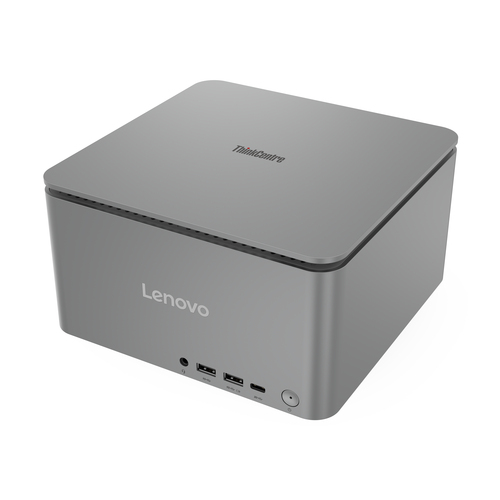
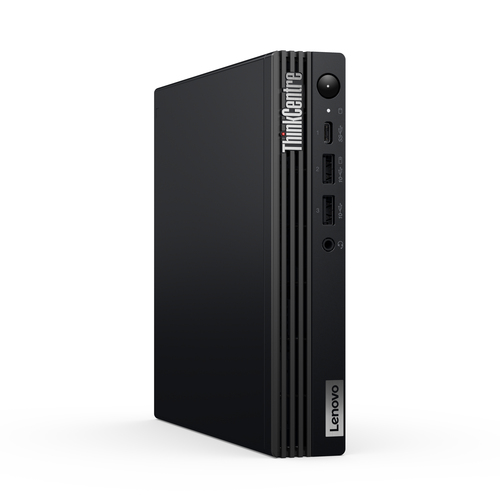
In the realm of Mini PCs, the Lenovo neo 50q and the ThinkCentre M70q Gen 5 are two contenders worth exploring. The neo 50q—lean and lightweight—is perfect for those simple everyday tasks. And for someone who values mobility and cost, this model is quite appealing. On the other hand, the M70q Gen 5 goes beyond, offering robust performance tailored for more demanding industrial applications.
While the neo 50q shines in environments where space and simplicity rule, its counterpart excels in delivering higher-end performance. The M70q's robust capabilities make it ideal for industrial applications, where processing power can't be compromised. Furthermore, think about scenarios where each excels—these insights often help to tip the decision balance. If budget constraints are a concern, opting for the more affordable neo 50q isn't a bad choice at all. But if your applications demand that extra punch, investing in the M70q Gen 5 might just be the wise choice. Each model speaks to unique needs, giving you a versatile selection tailored to varying demands, proving that in the Mini PC arena, it's less about one-size-fits-all and more about fit-for-purpose.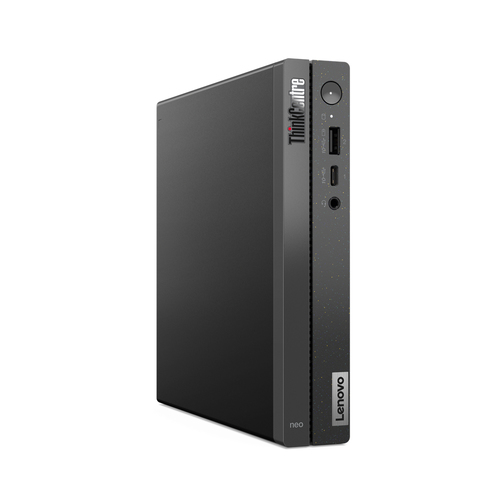
How to Set Up Your Desktop for Optimal Use
Setting up a new desktop? Start with unboxing—make sure you have all the parts, and nothing's missing. When moving to cable management, keeping things tidy not only looks good but can prevent those annoying tangling surprises later. Once you've got that covered, setting up peripherals is next—your mouse, keyboard, and monitor connections should be intuitive.
As you power up, consider installing critical software immediately—having an up-to-date operating system is vital for security and efficiency. Don't skip the initial updates. They're often overlooked but play a huge role in keeping your system running smoothly. Speaking of smooth, your desk's ergonomics should mirror your comfort level; alignment isn't just for the much-discussed gaming chairs. Even the best setups face troubleshooting challenges. If your machine hesitates during setup, simple fixes—like checking cable fixes or ensuring driver updates—can save headaches. Pro tip? Regular maintenance is key: disk cleanups, virus scans, and backup strategies shouldn't be just a once-in-a-while activity. Think of this setup process as your desktop's first workout session; priming it now ensures its endurance and reliability down the road.Conclusion
In summary, choosing a desktop over other devices brings undeniable advantages—power, customization, and excellent value, to name a few. Consider the specific tasks you'll tackle: from heavy multitasking to specific industry needs, desktops can rise to the challenge beautifully. Whether building a gaming paradise or an efficient workstation, desktops provide a stationed powerhouse that can be tailored perfectly to your whims.
As you weigh your choices, reflect on what features align best with your daily needs—processing strength, storage capacity, or something else entirely. This thoughtful assessment leads to long-term satisfaction, proving that desktops indeed remain a cornerstone of any well-considered IT setup. For those gearing up to decide, I encourage you to explore Lenovo's comprehensive selection to find a model that fits like a glove. Ready to make the leap? Visit Lenovo directly through their official site and tailor your next desktop adventure courtesy of their extensive range. Remember, the journey to finding your perfect setup is part of the fun—so happy hunting!Frequently Asked Questions
Common questions about Desktops